Last Updated on April 10, 2026 by Kravelv Spiegel
Taking on a major residential construction project can often feel like planning a complex military operation. There are moving parts, unpredictable elements, strict deadlines, and budgets that need to be aggressively defended. A successful project does not happen by accident. It requires a disciplined approach, a clear chain of command, and a strategy that anticipates problems before they happen.
In the Pacific Northwest, where the weather is unforgiving and the building codes are strict, going into a project blind is a recipe for disaster. Whether you are adding a second story, expanding a kitchen, or gutting a historic Craftsman, you need a tactical plan. Here are five essential steps to ensure your next construction project is executed with precision.

Step 1: The Reconnaissance Phase
Before a single wall is torn down, you must thoroughly assess the battlefield. In construction, this is the feasibility and design phase. You cannot build a solid home on assumptions. You need to know exactly what is behind your drywall and under your floors.
In older Seattle neighborhoods, homes are notorious for hiding outdated knob and tube wiring, galvanized plumbing on the verge of failure, and asbestos flooring. A proper reconnaissance mission involves hiring professionals to conduct structural assessments and hazardous material tests. You also need to review local zoning laws. Can your lot handle a backyard cottage? Are you encroaching on a steep slope or a protected tree zone? Gathering this intelligence early prevents your budget from exploding later when hidden issues ambush your timeline.
Step 2: Securing the Perimeter
Once your plans are drawn and approved, your next objective is to secure the site. This means two things: navigating the permitting process to secure your legal perimeter, and establishing the physical defenses of the home.
Permits are your authorization to proceed. Skipping them is a tactical error that will cost you dearly in fines and forced tear downs. Once permits are in hand, the physical perimeter must be protected. In Seattle, water is the primary enemy. If you are opening up the roof or tearing off siding in November, your contractor must have a bulletproof weatherization strategy. Heavy duty tarps, negative air pressure systems to keep dust out of your living space, and proper site drainage are non negotiable. A clean, secure job site is the first indicator of a disciplined crew.
Step 3: Establishing the Chain of Command
A fragmented platoon rarely succeeds. If you hire a separate architect, a separate structural engineer, and a random crew of subcontractors, you will end up playing referee. When something goes wrong, the architect blames the builder, and the builder blames the engineer.
To avoid this, many successful projects utilize a design build firm. This model establishes a clear, unified chain of command. The people designing the project are on the exact same team as the people building it. This creates accountability. When planning a home renovation seattle, choosing a unified team ensures that communication flows smoothly. You have one project manager who reports directly to you, providing daily updates, managing the supply chain, and ensuring that the operational timeline is strictly followed.
Step 4: Executing the Operation
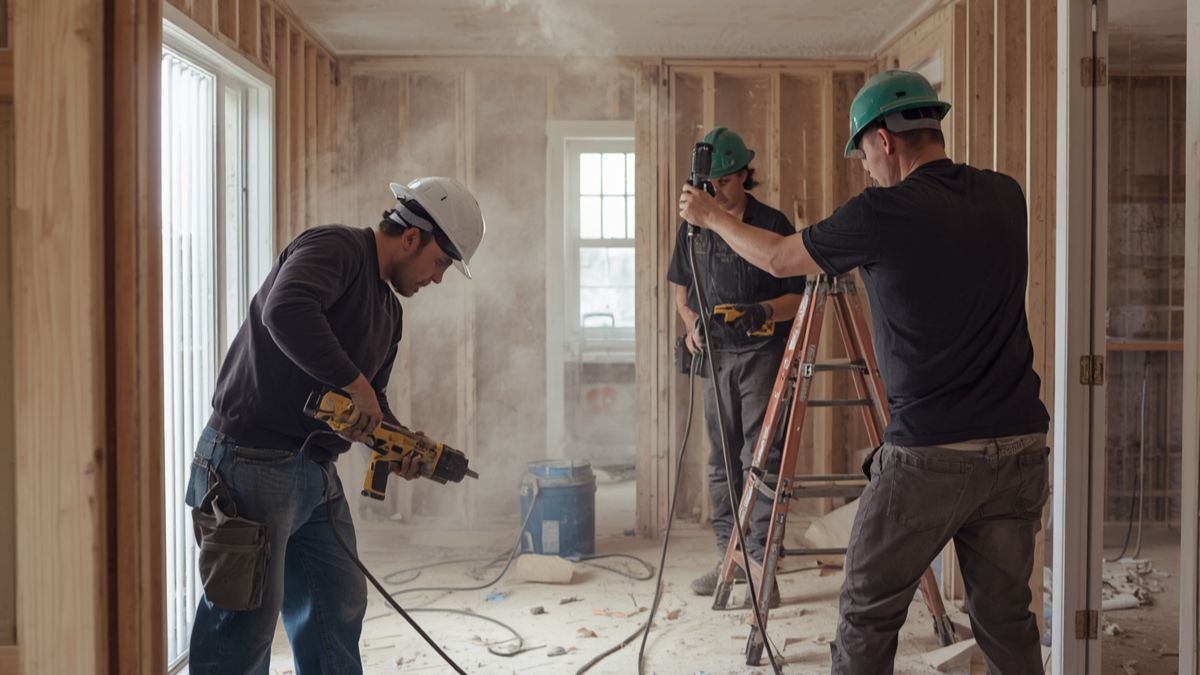
With the planning done and the team in place, the actual build begins. This is where discipline is tested. A professional crew operates with a rhythm. Materials are procured weeks in advance so that when the framers finish, the electricians are ready to step in the very next day.
Supply chain logistics can derail a project if not managed proactively. Cabinets, custom windows, and specialized plumbing fixtures often have lead times of several months. Your team must order these items during the reconnaissance phase, not when they are suddenly needed on site. Delays in materials lead to downtime, and downtime destroys budgets. The best crews treat the schedule as a binding contract, using digital project management software to track every delivery and inspection checkpoint in real time.
Step 5: The After Action Review
The operation is not over just because the paint is dry. The final phase of a successful build is the walkthrough and the warranty period, known in tactical terms as the After Action Review. This is a deliberate, systematic inspection of the entire project.
During the final walkthrough, you and your project manager inspect every cabinet hinge, every light switch, and every tile grout line. Any defects are logged on a “punch list” and corrected immediately. Furthermore, reputable remodel contractors seattle will provide a comprehensive written warranty for their labor and the materials used. They do not just hand over the keys and disappear. They ensure that the home performs exactly as intended through the changing seasons.
Final Thoughts on Execution
A flawless renovation is about mitigating risk through extreme preparation. It requires trusting a skilled team, refusing to cut corners on structural integrity, and maintaining clear communication from start to finish. When you approach your home project with a disciplined, tactical mindset, you eliminate the chaos. The result is a structure that is not only visually impressive but built to withstand whatever the future brings.