Last Updated on April 28, 2026 by Kravelv Spiegel
💡Key Takeaways:
To fix a clogged cast iron drain pipe, start by identifying the blockage, then clear it using a drain snake, hydro jetting, or an enzyme-based cleaner that is safe for old pipes. Avoid harsh chemical drain cleaners because they can accelerate corrosion inside aging cast iron. Most clogs happen because rust, grease, soap residue, and debris build up along the rough interior of the pipe over time. If the blockage keeps returning, the pipe may need professional cleaning or partial replacement.
Why Cast Iron Drain Pipes Clog More Often?
Cast iron pipes were widely used in older homes because they were durable and long-lasting. Over time, however, the inside of the pipe begins to rust. As corrosion develops, the interior surface becomes rough, making it easier for grease, hair, food waste, and soap residue to stick to the walls of the pipe.
Unlike modern PVC pipes with smooth interiors, cast iron tends to trap debris more easily. This means small blockages can slowly grow into major clogs. Understanding how these pipes fail can help you choose the right repair method without causing further damage.
Understanding Cast Iron Pipes
Cast iron drain pipes were widely used in older homes due to their durability and noise-reducing properties. However, they are susceptible to rust and internal buildup over time, leading to frequent clogs.
Pros and Cons of Cast Iron Drain Pipes
Pros:
- Long lifespan (can last over 50 years)
- Strong and durable
- Good sound insulation
Cons:
- Prone to rust and corrosion
- Heavy and difficult to replace
- Can accumulate buildup over time
Why do cast iron drain pipes get clogged?
Cast iron drain pipes clog because corrosion creates a rough inner surface that traps waste materials.
As moisture and wastewater move through the pipe, iron slowly oxidizes and forms rust. This rust narrows the inside diameter of the pipe and creates uneven surfaces where debris can collect. Grease and soap can harden against these rough areas and reduce water flow even more.
Tree roots can also invade older underground cast iron lines through small cracks or joints. Once roots enter, they can catch additional debris and create stubborn blockages. Here are some common reasons:
1. Grease and Fat Buildup
Pouring grease and fat down the drain causes buildup that hardens and blocks pipes. Once cooled, grease solidifies inside the pipe, leading to slow drainage and eventual blockage.
2. Rust and Corrosion
Over time, cast iron pipes corrode due to water exposure. Corrosion creates rough surfaces inside the pipe that catch debris and encourage further clogging. Advanced corrosion can also weaken the pipe structure, leading to cracks and leaks.
3. Tree Root Intrusion
Tree roots are naturally drawn to moisture and can penetrate small cracks in cast iron pipes. Once inside, they grow rapidly, creating severe blockages and even breaking the pipe structure.
4. Foreign Objects and Debris
Flushing non-degradable items such as wipes, paper towels, feminine hygiene products, and food scraps can lead to major blockages. Unlike toilet paper, these materials do not break down easily and can accumulate in the pipes.
5. Hard Water Mineral Deposits
Minerals from hard water accumulate inside cast iron pipes over time, leading to narrowing of the pipe’s diameter. This reduces water flow and makes it easier for debris to get stuck, contributing to frequent clogs.
What are the signs of a clogged cast iron drain pipe?
A clogged cast iron pipe often shows slow drainage, odors, and recurring backups before it fully blocks.
You may notice sinks or tubs draining slower than usual. Gurgling sounds can happen when trapped air struggles to move past the blockage. In some cases, foul sewer odors develop because waste remains trapped inside the line.
These early warning signs usually appear before a complete blockage occurs.
Warning signs to watch for:
- Water drains slowly
- Frequent backups
- Gurgling sounds
- Bad odors near drains
- Multiple drains affected at once
How can you diagnose the blockage?
The best way to diagnose a clog is to determine whether the blockage is local or deep inside the main line.
If only one fixture is affected, the clog is likely close to that drain. If multiple fixtures back up, the obstruction may be in a larger section of the drainage system. Testing different sinks, tubs, and toilets can help narrow down the location.
For severe cases, plumbers often use drain cameras to inspect the inside of cast iron pipes and identify corrosion or root intrusion.
Ways to locate the problem:
- Test nearby drains
- Check for multiple backups
- Listen for gurgling sounds
- Inspect cleanout access points
- Use a drain inspection camera if needed
What is the safest way to clear a cast iron drain pipe?
The safest method is to mechanically remove the clog without damaging the pipe walls.
A hand auger or drain snake is often the first tool to try. It can break apart soft blockages while preserving the pipe. For tougher buildup, professional hydro jetting can remove years of residue by using high-pressure water.
Because old cast iron can be fragile, aggressive tools should be used carefully to avoid cracking the pipe. Here are some other methods:
1. Boiling Water and Dish Soap
Boiling water can help melt grease clogs, and dish soap breaks down oily residues. Pour a pot of boiling water down the drain, followed by dish soap, and then flush with more hot water. This method is best for minor grease buildup.
2. Plunger Method
A plunger creates pressure to dislodge blockages. Fill the sink or tub with some water, place the plunger over the drain, and plunge vigorously for 20-30 seconds. Repeat until water drains freely.
3. Baking Soda and Vinegar Trick
This natural reaction helps break down mild clogs. Pour one cup of baking soda into the drain, followed by one cup of vinegar. Let it sit for 15-30 minutes before flushing with hot water.
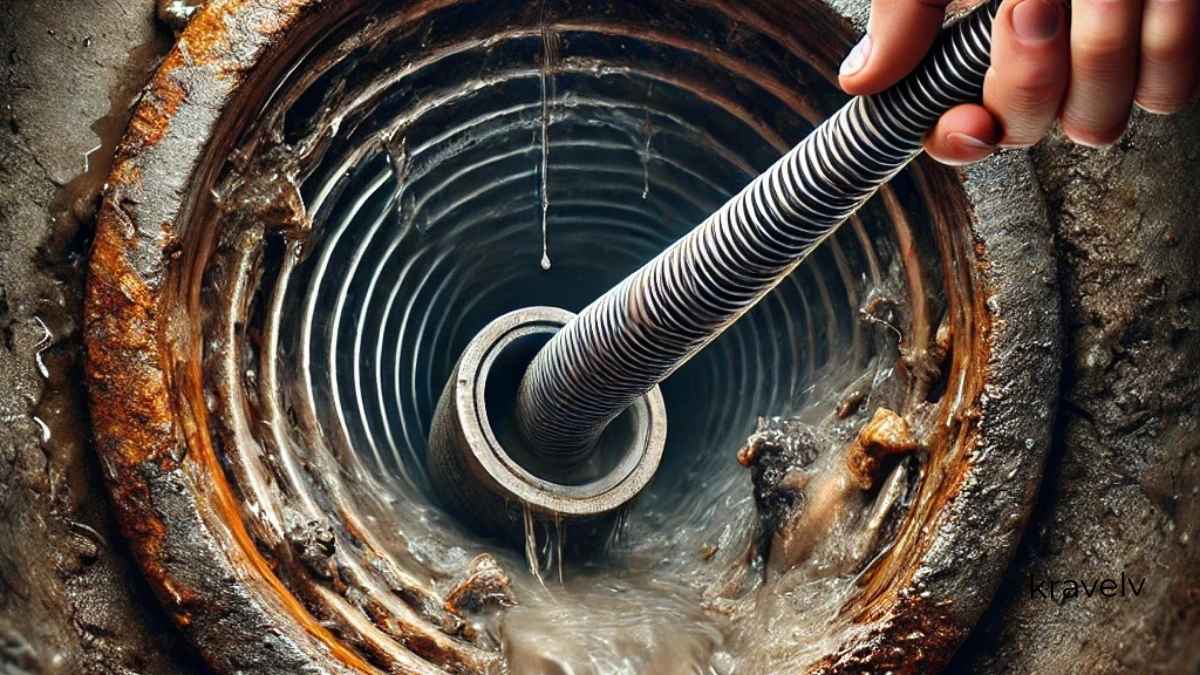
4. Snaking the Drain
A drain snake or plumber’s auger is useful for removing stubborn clogs. Insert the snake into the drain and twist to break apart or pull out the obstruction.
5. Hydro Jetting
This method uses high-pressure water to blast away clogs and buildup inside the pipe. While effective, it should only be done by professionals to prevent pipe damage.
Can you use chemical drain cleaners in cast iron pipes?
It is best to avoid chemical drain cleaners in cast iron pipes.
Many store-bought drain cleaners generate heat and use harsh chemicals that can weaken already corroded iron. Repeated use may speed up pipe deterioration and increase the chance of leaks.
Enzyme-based cleaners are safer because they break down organic material gradually without damaging the metal.
Safer alternatives include:
- Enzyme drain cleaners
- Hot water flushes
- Baking soda and vinegar
- Mechanical cleaning tools
How do you use a drain snake on cast iron pipes?
A drain snake can remove many clogs if used gently.
Insert the snake slowly into the drain opening or cleanout. Turn the handle as you feed it forward until you feel resistance. Once the cable reaches the blockage, rotate it carefully to break up or pull out the obstruction.
Avoid forcing the snake because older pipes may be brittle.
Steps to use a drain snake:
- Remove the drain cover
- Insert the cable slowly
- Rotate the snake gently
- Pull out debris
- Flush with water afterward
When is hydro jetting a better solution?
Hydro jetting works best when the clog is caused by heavy buildup along the entire pipe wall.
This method uses pressurized water to clean the inside of the pipe rather than simply punching through one blockage. It can remove grease, sludge, and mineral buildup that ordinary snakes cannot fully clear.
However, older cast iron pipes should be inspected first because severely weakened pipes may not tolerate high pressure.
Hydro jetting is often recommended for:
- Recurring clogs
- Heavy grease buildup
- Main line blockages
- Root intrusion after cutting
When should you replace a cast iron drain pipe?
Replacement may be necessary when the pipe is too corroded to clean effectively.
If clogs keep returning, the interior may have collapsed or narrowed significantly. Cracks, leaks, and severe rust often indicate the pipe has reached the end of its lifespan.
In these cases, repair becomes temporary and replacement is the long-term solution.
Signs replacement may be needed:
- Repeated blockages
- Visible leaks
- Rust flakes in drains
- Sewage odors
- Water damage around pipe areas
How can you prevent future clogs?
Prevention focuses on reducing buildup before it becomes a blockage.
Cast iron pipes benefit from regular maintenance because their rough surfaces naturally collect debris. Keeping grease and solids out of the drain can significantly reduce future issues.
Routine cleaning can extend the life of aging pipes.
Prevention tips:
- Do not pour grease down drains
- Use drain strainers
- Flush with hot water regularly
- Use enzyme cleaners monthly
- Schedule periodic inspections
Clogged cast iron drain pipe FAQs
Hot water can help soften grease, but it usually will not remove severe blockages.
It’s best to clean them at least once a year to prevent buildup.
Yes, but use caution as high pressure can damage old pipes.
Never pour grease down the drain—dispose of it in the trash instead.
Most last 40 to 75 years depending on moisture, usage, and maintenance.
Enzyme-based cleaners are usually the safest option for old metal pipes.
If multiple drains back up at once, the clog is often in the main sewer line.
Final words
Fixing a clogged cast iron drain pipe requires the right method because old pipes can be damaged easily. Mechanical cleaning, enzyme treatments, and professional hydro jetting are safer options than harsh chemicals.
Start by identifying where the clog is located and choosing the least aggressive solution first. If the problem keeps coming back, a professional inspection can determine whether the pipe needs deeper cleaning or replacement.