Last Updated on April 28, 2026 by Kravelv Spiegel
💡Key Takeaways:
When toilet water rises and then slowly drains, it usually means there is a partial blockage in the toilet trap, drain line, or vent system that restricts normal flow. The water rises because it cannot pass through quickly, then slowly drains once pressure builds enough to push it through. This is an early warning sign of a clog or airflow issue that can worsen over time. Fixing it early with plunging, snaking, or inspection can prevent a full backup.
Why Your Toilet Water Rises Before It Drains?
Let’s start by understanding the flushing process. A toilet works based on gravity and siphoning. When you flush, water rushes from the tank into the bowl, pushing waste through the trap and down the drain. This movement also pulls air, creating a siphon effect that helps the water and waste go down smoothly.
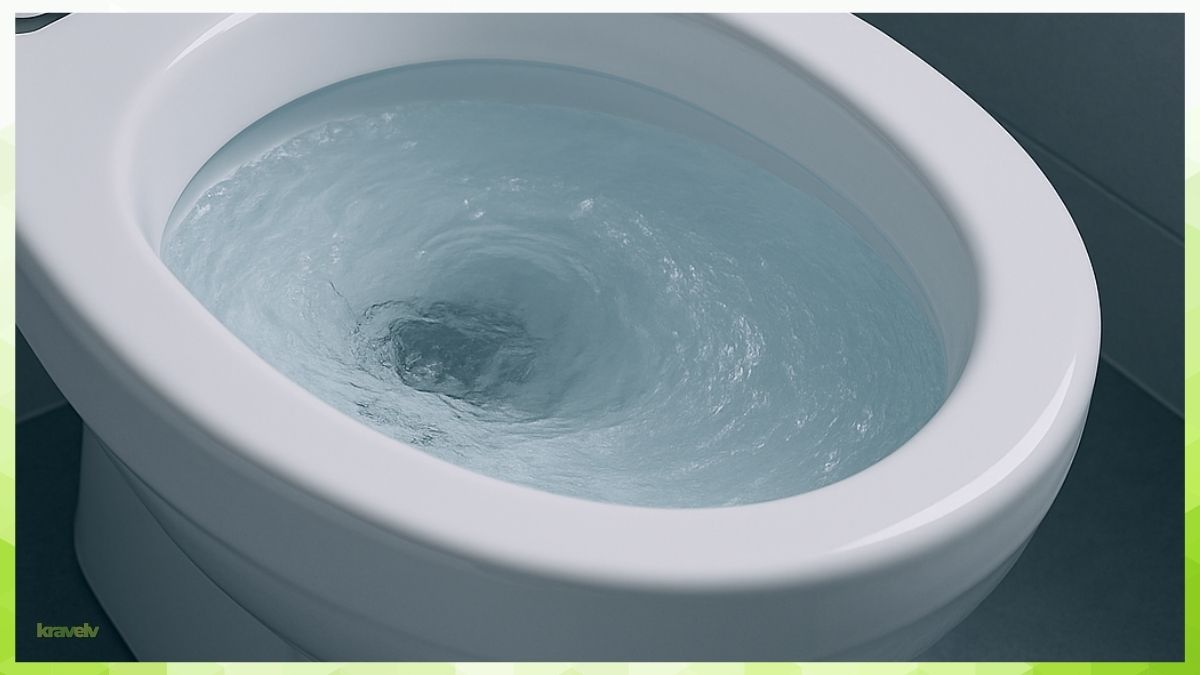
But when something interrupts that process—usually a clog, restriction, or airflow problem—the water can’t escape as fast as it should. So, it rises in the bowl before it begins to drain slowly. Sometimes, it may not drain at all.
What causes this behavior:
- Partial blockage slowing water flow
- Weak siphon action
- Airflow imbalance in the plumbing system
Why This Problem Should Not Be Ignored?
A toilet that fills up before draining is not just inconvenient. It is a clear signal that your plumbing system is not working efficiently. Ignoring it can lead to complete blockages, water overflow, and even damage to your pipes or flooring.
This issue often starts small, but it rarely resolves on its own. In many cases, it gradually worsens as debris builds up inside the pipes. This guide explains what causes the problem, how to fix it, and when it becomes serious enough to call a professional.
What is the most common cause of this issue?
The most common cause is a partial clog in the toilet trap or nearby drain pipe.
The trap is the curved section inside the toilet that holds water to block sewer gases. It is also the most common place for debris to get stuck. Items like excess toilet paper or non-flushable materials can partially block this area.
Because the blockage is not complete, water can still pass through, but much more slowly. This creates the rising water effect before it eventually drains. Here are some common clog sources:
A Partial Clog in the Toilet Trap
This is the most common cause and happens right in the S-shaped curve built into the base of the toilet. It’s designed to prevent sewer gases from entering your home but can easily become a collection point for debris.
What might be stuck in there?
- Baby wipes (even “flushable” ones—spoiler alert: they’re not)
- Feminine hygiene products
- Cotton swabs or pads
- Thick paper towels
- Too much toilet paper
Pro Tip: If your toilet flushes slower than usual or you’ve had to plunge more often recently, that’s a sign of a partial trap blockage.
Could the clog be deeper in the drain line?
Yes, the clog may be located further down the pipe if multiple fixtures show drainage problems.
When the blockage is not in the toilet itself, it may exist in the main drain line. This type of clog restricts water flow from several fixtures at once, not just the toilet.
You may notice slow drainage in sinks, showers, or tubs, along with gurgling sounds. These are signs that the issue is deeper in the plumbing system.
Signs of a deeper clog:
- Multiple drains are slow
- Water backs up in other fixtures
- Gurgling sounds from pipes
- Recurring toilet issues
Can a blocked vent pipe cause this problem?
Yes, a blocked plumbing vent can cause slow drainage by disrupting air pressure in the system.
Plumbing vents allow air to enter the pipes so water can flow smoothly. If the vent is blocked by debris, leaves, or nests, the system cannot maintain proper pressure.
This creates a vacuum effect that slows down water movement. As a result, the toilet may fill up and drain slowly instead of flushing normally.
Common vent blockages:
- Ice in colder climates
- Leaves and debris
- Bird nests
- Dirt buildup
Could it be a sewer line problem?
Yes, a sewer line issue is possible if the problem affects multiple areas of your home.
The main sewer line carries all wastewater away from your house. If it becomes blocked or damaged, water cannot flow out efficiently. This can cause backups in toilets, sinks, and other drains.
Tree roots are a common cause of sewer line blockages. They can enter small cracks in pipes and grow over time, restricting flow.
Warning signs of sewer line problems:
- Persistent slow drainage throughout the house
- Frequent backups across multiple fixtures
- Strong sewer odors
- Water rising in tubs or sinks when flushing
Bonus tip: Tree roots are a leading cause of sewer line damage, especially in older homes. They find tiny cracks in pipes and grow inside them, eventually causing full blockages.
How do you fix a toilet that rises then drains slowly?
You can fix the problem by removing the blockage and restoring proper flow.
Start with simple solutions before moving to more advanced methods. Many minor clogs can be cleared with basic tools.
Step 1: Use a Flange Plunger
Not all plungers are created equal. For toilets, use a flange plunger—it has an extra lip designed to fit into the toilet trap and create a better seal.
How to do it right:
- Ensure there’s enough water in the bowl to submerge the plunger cup.
- Insert the plunger at an angle to remove air.
- Push down and pull up forcefully 10–15 times.
- Watch for water whooshing down. That’s success!
Step 2: Try a Toilet Auger (Toilet Snake)
If plunging fails, it’s time to reach a bit deeper.
A toilet auger can push through stubborn clogs in the trap or first few feet of drain pipe.
How to use it:
- Insert the auger into the toilet bowl and feed it slowly
- Crank gently to break up the blockage
- Remove and flush to test
Pro Tip: Always wear gloves and sanitize the tool after use.
Step 3: Check for Roof Vent Blockage
If the toilet is slow-draining but not clogged, your plumbing vent stack may be blocked.
How to check (safely):
- Use a ladder to access the vent pipe
- Shine a flashlight into it
- Use a garden hose with medium pressure to flush it out
If water backs up or overflows—there’s a solid clog. Call a professional plumber to snake it safely.
Step 4: Rule Out Main Sewer Line Problems
If you’ve noticed multiple toilets or drains acting up, it’s likely not a coincidence.
At this stage, I recommend calling a pro to:
- Perform a video camera inspection of the line
- Use hydro-jetting to clear heavy blockages
- Diagnose tree root intrusions or collapsed pipes
Costs can vary, but early detection saves thousands in future repairs.
How do you prevent this issue from happening again?
Prevention involves avoiding buildup and maintaining proper flow in your plumbing system.
Most toilet clogs happen because of what is flushed. Being careful about what goes down the toilet can significantly reduce the risk of future problems.
Routine maintenance also helps keep pipes clear.
Prevention tips:
- Schedule periodic plumbing checks
- Only flush waste and toilet paper
- Avoid wipes, even if labeled flushable
- Use enzyme cleaners monthly
- Monitor for early signs of slow drainage
When Should You Call a Plumber?
You should call a plumber if the issue keeps returning or affects multiple fixtures.
Recurring problems often indicate a deeper issue that cannot be resolved with basic tools. A professional can inspect your pipes using specialized equipment and identify the exact cause.
Delaying repairs can lead to more serious problems, including complete blockages or water damage.
Call a professional if:
- Water backs up into other fixtures
- Plunging does not fix the issue
- Multiple drains are affected
- You notice sewage odors
- The problem returns frequently
Frequently asked questions
This usually means there is a partial clog slowing down water flow, causing it to rise before draining.
It can be minor at first, but it may lead to bigger issues if not addressed early.
It can fix minor clogs, but deeper issues may require additional tools or professional help.
This often indicates a venting problem or a blockage in the main drain line.
No, the issue usually worsens as buildup increases.
Watch what you flush. Even items labeled as “flushable” can clog older plumbing systems.
Final words
A toilet that rises and then slowly drains is a clear sign of restricted flow, usually caused by a partial clog or ventilation issue. While it may still function, it indicates a problem that can worsen if ignored.
Start with simple fixes like plunging and checking for visible blockages. If the issue persists or spreads to other fixtures, it is best to investigate further or call a professional.