Last Updated on April 30, 2026 by Kravelv Spiegel
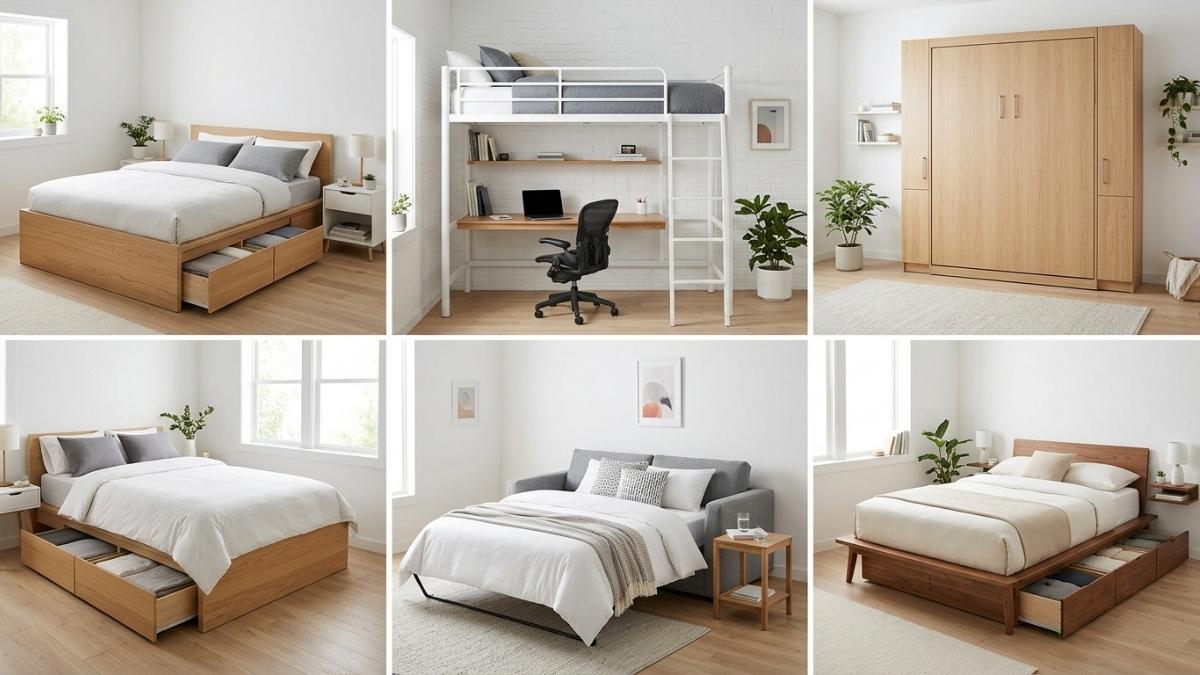
The best bed solutions for small bedrooms are storage beds, loft beds, Murphy beds, sofa beds, and platform beds with drawers. They are focus on saving space, adding storage, and improving functionality without overcrowding the room. These options help maximize limited space while keeping the layout practical. Choosing compact designs, using vertical space, and selecting multi functional furniture can make a small bedroom feel larger and more efficient.
Why Choosing the Right Bed Matters in Small Bedrooms
In a small bedroom, the bed takes up the most space, which makes it the most important piece of furniture to choose wisely. A poorly chosen bed can limit movement, reduce storage, and make the room feel cramped. On the other hand, the right bed can transform the space into something functional, comfortable, and visually open.
Modern furniture design has evolved to address small living spaces. From built in storage to foldable frames, there are many ways to make a bed work harder without sacrificing comfort. This guide explores the best options and how to choose the right one based on your needs.
What are the best types of beds for small bedrooms?
The best beds for small bedrooms are those that combine sleeping with storage or space saving features.
Traditional beds often waste valuable space underneath or around them. Modern designs focus on making every inch count, either by adding storage or reducing the bed’s footprint when not in use.
Storage beds
Storage beds are designed to make full use of the space beneath the mattress by incorporating built-in drawers or lift-up compartments. This allows you to store clothes, bedding, or seasonal items without needing extra furniture like dressers or storage bins. They are especially useful in small bedrooms where every inch counts. By keeping items hidden, storage beds also help maintain a clean and uncluttered look while improving overall organization.
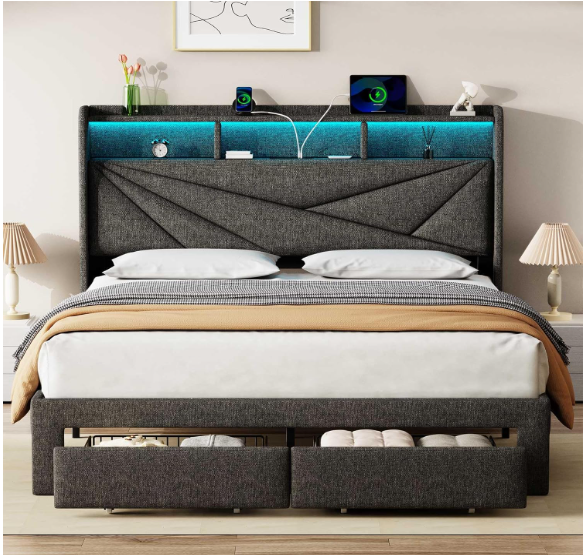
Benefits of storage beds:
- Extra storage without taking more space
- Keeps items hidden and organized
- Reduces need for dressers or cabinets
- Easy to access everyday items
Loft beds
Loft beds elevate the sleeping area to free up valuable floor space underneath. This open space can be used for a desk, seating area, storage units, or even a small closet setup. Loft beds are ideal for maximizing functionality in compact rooms, particularly for students or anyone working with limited square footage. They work best in rooms with higher ceilings, as this ensures there is enough headroom both above and below the bed.
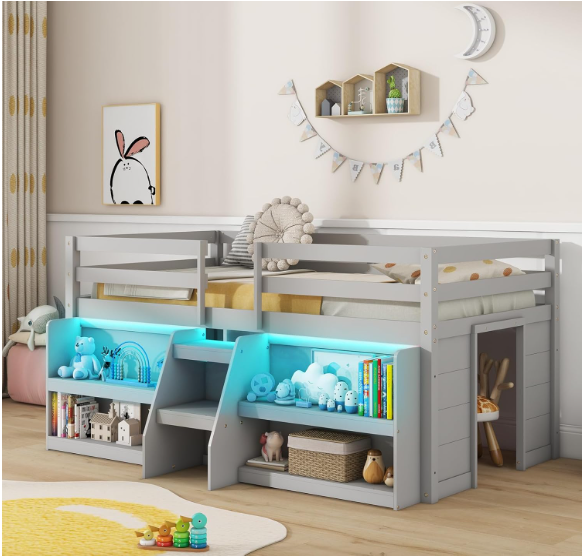
Common uses for space under loft beds:
- Work or study area
- Storage units
- Lounge or seating space
- Wardrobe or closet
Murphy beds
Murphy beds are foldable beds that can be stored vertically inside a wall cabinet when not in use. This design allows you to completely clear the floor space during the day, making the room more flexible and open. Murphy beds are perfect for studio apartments or multi-purpose rooms where space needs to serve different functions throughout the day. They provide the comfort of a regular mattress while offering one of the most effective space-saving solutions available.
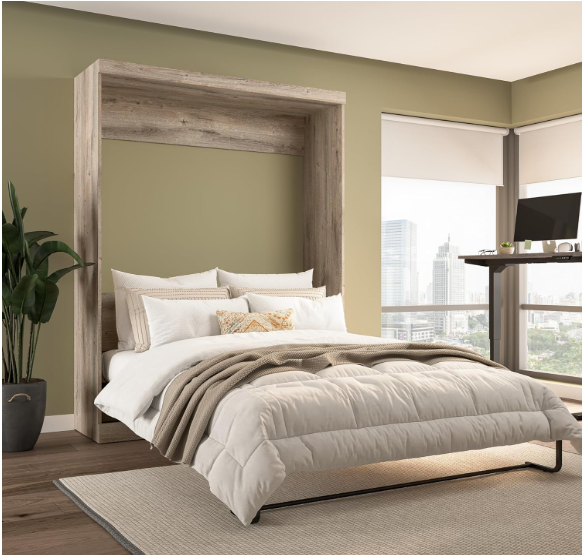
Advantages of Murphy beds:
- Maximizes floor space
- Keeps room uncluttered
- Provides full mattress comfort
- Ideal for multi-purpose rooms
Sofa beds
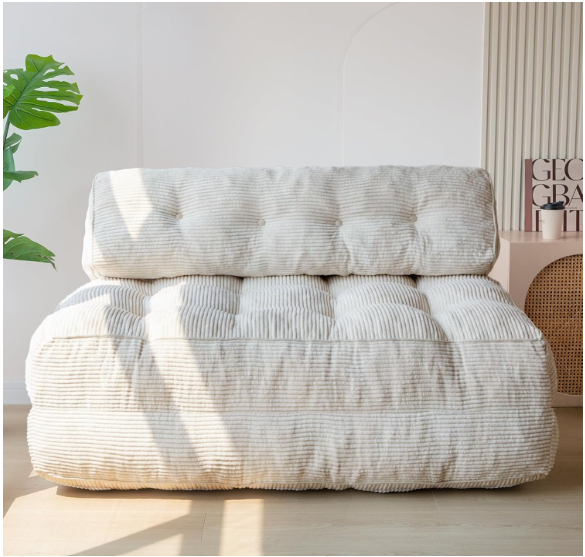
Sofa beds combine seating and sleeping into a single piece of furniture, making them a practical choice for small spaces. During the day, they function as a regular couch, and at night, they can be converted into a bed. This makes them ideal for studio apartments or guest rooms where space is limited. While they may not offer the same level of comfort as a traditional bed, their versatility and convenience make them a popular option.
Best uses for sofa beds:
- Studio apartments
- Guest accommodations
- Multi-purpose living areas
- Budget-friendly setups
Platform beds with drawers
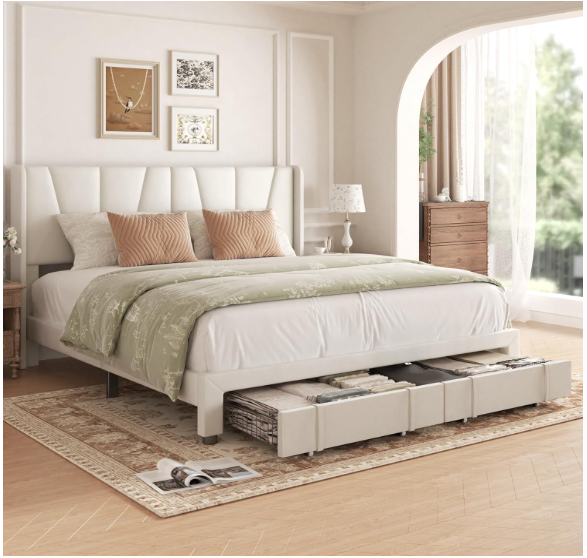
Platform beds with drawers feature a low-profile frame combined with built-in storage compartments along the base. These drawers provide easy access to everyday items such as clothing, linens, or accessories without taking up additional floor space. The simple and modern design of platform beds also helps make a small bedroom feel less crowded. They are a great choice for those who want both style and functionality in a compact setup.
How do you choose the right bed for your space?
Choosing the right bed depends on your priorities, room size, and daily needs.
If storage is your main concern, a storage bed or platform bed with drawers is ideal. If you want to maximize floor space, a loft or Murphy bed may be better. For flexibility, a sofa bed is a practical option.
Measuring your space and considering how you use the room daily will help you make the best decision.
Key factors to consider:
- Room dimensions
- Ceiling height
- Storage needs
- Daily usage
- Budget
How can you make a small bedroom feel bigger with the right bed?
The right bed can make a small bedroom feel more spacious by reducing visual clutter and improving layout.
Low profile beds, light colors, and simple designs help create an open feel. Keeping the area around the bed clear and using built in storage reduces the need for additional furniture.
Strategic placement also plays a role in maximizing space.
Tips to create a spacious feel:
- Choose light colored bedding and frames
- Keep furniture minimal
- Use built in storage solutions
- Maintain clear pathways
- Avoid oversized bed frames
Frequently asked questions
Storage beds or Murphy beds are often the best options.
It requires enough ceiling height to be comfortable.
They can be, but they are generally better for occasional use.
In many cases, yes, depending on storage capacity.
Yes, if you need to maximize space and maintain a clean layout.
Final words
Choosing the right bed for a small bedroom can significantly improve how the space looks and functions. Options like storage beds, loft beds, and Murphy beds help you make the most of limited space while maintaining comfort.
Start by identifying your main priority, whether it is storage, flexibility, or maximizing floor space. Then choose a bed that supports your needs without overcrowding the room.