Last Updated on May 7, 2026 by Kravelv Spiegel
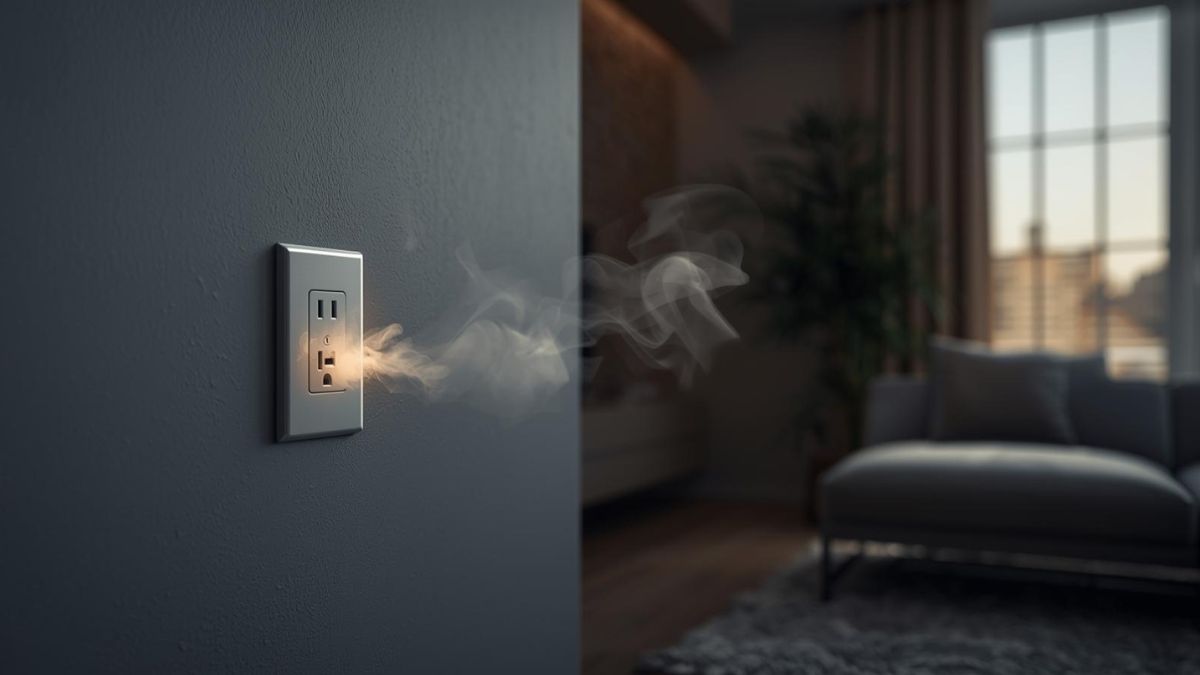
If your outlet smells like fish, it is usually caused by overheating electrical components such as wires, insulation, or the outlet itself. The fishy odor comes from chemicals in plastic and insulation breaking down under heat. This is a serious warning sign of potential electrical failure or fire risk. You should stop using the outlet immediately, unplug devices, and have it inspected by a licensed electrician.
Why This Smell Is a Serious Warning Sign?
A fishy smell from an outlet is not random. It is often one of the earliest signs of electrical overheating inside your walls. Unlike a burning smell that appears later, this odor can show up before visible damage occurs. That makes it easy to ignore but dangerous to overlook.
Electrical problems can escalate quickly. What starts as a faint smell can turn into melted wiring, sparks, or even a house fire. This guide explains what causes the smell, how to identify the source, and what steps to take to keep your home safe.
What causes an outlet to smell like fish?
An outlet smells like fish because heat is breaking down the chemicals inside electrical components.
Electrical wiring, outlets, and circuit breakers are made with heat-resistant plastics and coatings. When these materials overheat, they release volatile compounds that often smell like fish or urine.
This usually happens when something in the electrical system is not working properly. Here are the most common causes:
1. Overheating Wires
Overheating wires are the primary cause of a fishy smell at an outlet. When wires carry more current than they are designed to handle, or when a fault creates resistance in the circuit, temperatures rise inside the wall and the insulation surrounding the wires begins to degrade. That degradation releases the chemical compounds responsible for the smell.
This process often begins before any visible sign of damage. The insulation cracks and off-gases under heat while still physically intact, meaning the outlet can appear completely normal while the wiring behind it is already failing. Faulty wiring in concealed spaces is particularly dangerous because it can burn for a prolonged period before detection.
This smell often appears before visible damage, making it an early warning sign of electrical stress or failure.
2. Loose Electrical Connections
Every electrical connection, including wire-to-terminal contacts, splice points, and plug-to-outlet interfaces, has some resistance. When connections loosen over time from vibration, thermal cycling, or poor installation, the contact area between conductors decreases. Resistance rises and heat rises fast as load increases. That localized heat heats the surrounding plastic components, producing the fishy odor.
Loose connections are also a leading cause of arcing, where electricity jumps a small gap and creates a micro-spark. Heat from arcing can create carbonization, a conductive residue that promotes further arcing and accelerates damage. Short circuits from loose connections are among the main causes of home electrical wiring fires according to the CPSC.
3. Overloaded Circuits
When too many high-wattage appliances are connected to a single circuit, the wires carry more current than they were designed for continuously. Wires that were installed 40 or more years ago were not designed to handle the power demands of modern appliances including smartphone chargers, large televisions, countertop ovens, and space heaters running simultaneously. The sustained overload heats the wiring insulation to the point where it begins breaking down and releasing chemical odors.
An outlet might feel completely normal with low-draw devices like phone chargers but become dangerously warm with a space heater or toaster oven on the same circuit. Spreading high-draw appliances across different circuits is the correct approach, and if breakers trip frequently under normal loads, the circuit wiring may already be undersized for the household’s current demand.
4. Faulty or Aging Outlets
Outlets do not last indefinitely. Internal spring contacts that grip plug blades loosen with age and repeated use. When a plug no longer seats firmly, the contact area between the blades and the receptacle contacts decreases, resistance rises, and heat builds at the interface. A worn cord cap, oxidized blades, bent prongs, or a plug that does not fully seat can create resistance at the plug-to-outlet interface, producing the same overheating pattern as a loose wire connection.
Outlets in homes older than 25 years are particularly prone to this type of failure. CPSC data shows that 5,300 fires per year are caused by electrical receptacles themselves. If the outlet is two-pronged and lacks a ground, has visible discoloration, or feels warm to the touch even without a device plugged in, it should be replaced promptly.
5. Damaged Wiring Inside the Walls
If the fishy smell persists even when the outlet is not in use and no devices are plugged into it, the problem may originate behind the wall rather than at the outlet itself. Many receptacles are wired to feed other receptacles downstream on the same circuit, meaning an unused outlet may still be carrying current through its internal connections. Damaged, frayed, or rodent-chewed wiring inside the wall can overheat and produce odors that present at the nearest outlet even though the outlet itself is not the point of failure.
This scenario is the most difficult to diagnose without professional inspection because no visible signs appear at the outlet face. An electrician with thermal imaging equipment can identify heat anomalies behind walls without opening them, which is the appropriate diagnostic approach when the smell persists with nothing plugged in.
Is a fishy smell from an outlet dangerous?
Yes, it is dangerous and should be treated as an urgent issue.
A fishy odor often indicates overheating, which can lead to melting insulation, exposed wires, or electrical fires. Electrical issues are a leading cause of residential fires, and early signs like unusual smells should never be ignored.
Even if the outlet still works, the internal components may already be compromised.
Risks include:
- Electrical fire
- Damaged wiring
- Power surges or failures
- Toxic fumes from melted materials
How do you identify the source of the smell?
To find the source, you need to locate where the smell is strongest and check for related warning signs.
Start by unplugging all devices from the outlet. If the smell fades, one of the appliances may be the cause. If it persists, the issue is likely within the outlet or wiring.
Check nearby outlets as well, since electrical systems are connected and the smell may travel.
Signs to look for:
- Warm or hot outlet cover
- Discoloration or melting
- Flickering lights
- Buzzing or crackling sounds
- Frequent breaker trips
What should you do immediately?
If you notice a fishy smell from an outlet, take action right away. Do not wait for the problem to get worse. Early intervention can prevent serious damage.
Step 1: Unplug everything from the outlet. Remove all devices immediately to reduce load and stop any contribution from plugged-in appliances.
Step 2: Stop using the outlet. Place tape over the outlet or a note to prevent anyone else from using it while the problem is unresolved.
Step 3: Check for additional warning signs. Look for a warm or hot faceplate, visible discoloration or melted plastic, flickering lights on the same circuit, buzzing or crackling sounds from the outlet or wall, and recently tripped circuit breakers.
Step 4: Turn off the circuit breaker for that outlet. If the smell is strong, persistent, or accompanied by any of the warning signs above, shut off the circuit at the breaker panel. This prevents further overheating while you wait for professional inspection.
Step 5: Call a licensed electrician. This is not a DIY repair. Diagnosing and fixing the cause of a fishy outlet smell requires opening the outlet box, inspecting wiring connections, testing the circuit under load, and potentially inspecting wiring inside the wall. All of these require a licensed electrician to perform safely and to code.
Step 6: Call 911 if you see smoke, flame, or smell burning plastic. If the situation has progressed beyond a smell to visible smoke or fire, leave the home immediately and call emergency services. Do not attempt to fight an electrical fire with water.
Can this problem spread to other outlets?
Yes, electrical issues can affect multiple outlets because they are connected through the same circuit.
If one outlet is overheating, others on the same circuit may also be under stress. This is especially true in older homes or systems with outdated wiring.
In some cases, the smell may appear in different rooms because air circulation spreads the odor, even if the problem originates in one location.
Could the Smell Be Something Else?
In rare cases, a smell near an outlet that resembles fish may have a non-electrical cause. Dead rodents inside wall cavities can produce a strong ammonia-like odor that intensifies near outlets and switch plates where air can pass through gaps. Plumbing issues with nearby drain traps going dry can release sewer gas that also has a sharp, unpleasant character.
The distinction is straightforward in most cases. A non-electrical smell will not intensify when the outlet is in use or when high-draw appliances are running on the circuit. If the smell increases when the outlet is loaded, the cause is electrical. If it is constant regardless of electrical use and also presents near drains or floor level rather than outlet level, a non-electrical source is more likely.
Even if you suspect a non-electrical cause, the electrician-first approach is still correct. Confirming that the outlet is not overheating takes minutes with the right tools and eliminates the most dangerous possibility before investigating alternatives.e the highest risk.
How do you fix an outlet that smells like fish?
Fixing the problem requires addressing the underlying electrical issue.
In most cases, this involves replacing damaged components or repairing faulty wiring. A licensed electrician can safely inspect the outlet and determine the exact cause.
Possible fixes include:
- Replacing the outlet
- Tightening or repairing connections
- Upgrading wiring
- Redistributing electrical load
- Replacing faulty appliances
Do not use the outlet again until it has been inspected and repaired.
How can you prevent this from happening again?
Prevention focuses on reducing electrical stress and maintaining your system regularly.
Many outlet issues develop over time due to wear, overuse, or outdated systems. Regular maintenance can help catch problems early. Here are some preventative steps:
Schedule Regular Electrical Inspections
Homes older than 25 years are more prone to wiring issues. A licensed electrician can identify outdated wiring, overloaded circuits, or damaged outlets before they become dangerous.
Replace Old Outlets
If your outlets are two-pronged or show visible wear, replace them with new, grounded outlets. Consider tamper-resistant outlets if you have children.
Avoid Overloading Circuits
Don’t plug too many high-wattage appliances (like heaters, microwaves, or hair dryers) into a single outlet. Spread them across different circuits when possible.
Upgrade Your Electrical Panel
If your home still uses an old fuse box or an undersized breaker panel, upgrading can prevent overheating and odors. Modern panels handle today’s appliance-heavy households much better.
Use Quality Surge Protectors
Plug electronics into surge protectors instead of directly into outlets. This helps manage voltage spikes and reduces stress on outlets.
Fishy Outlet Smells FAQs
Yes. Any unusual odor from electrical outlets should be treated as a sign of overheating and possible fire risk.
Yes. Sometimes plumbing issues, spoiled food, or even dead rodents in the wall can cause odd smells. But if the odor is strongest at the outlet and intensifies when it’s in use, it’s likely electrical.
No. Covering up the smell doesn’t solve the underlying hazard. You need an electrician to fix the problem at the source.
Immediately. Even if the outlet is still functioning, continued use could lead to a fire.
Final words
A fishy smell from an outlet is a strong warning sign of overheating electrical components. It often points to issues like loose wiring, overloaded circuits, or failing outlets that can quickly become dangerous.
Take immediate action by unplugging devices and avoiding the outlet. Then have a licensed electrician inspect the system to prevent further damage or fire risk.
Last updated: May 2026 | Sources: NFPA Electrical Fire Statistics, CPSC Receptacle Fire Data, MaxElectric Warm Outlet Safety Guide (Jan 2026), LiveWire Electrical Charlotte, B&M Electric, Black Hills Inc., Ting Electrical Fire Hazards 2025.