Last Updated on October 21, 2026 by Kravelv Spiegel
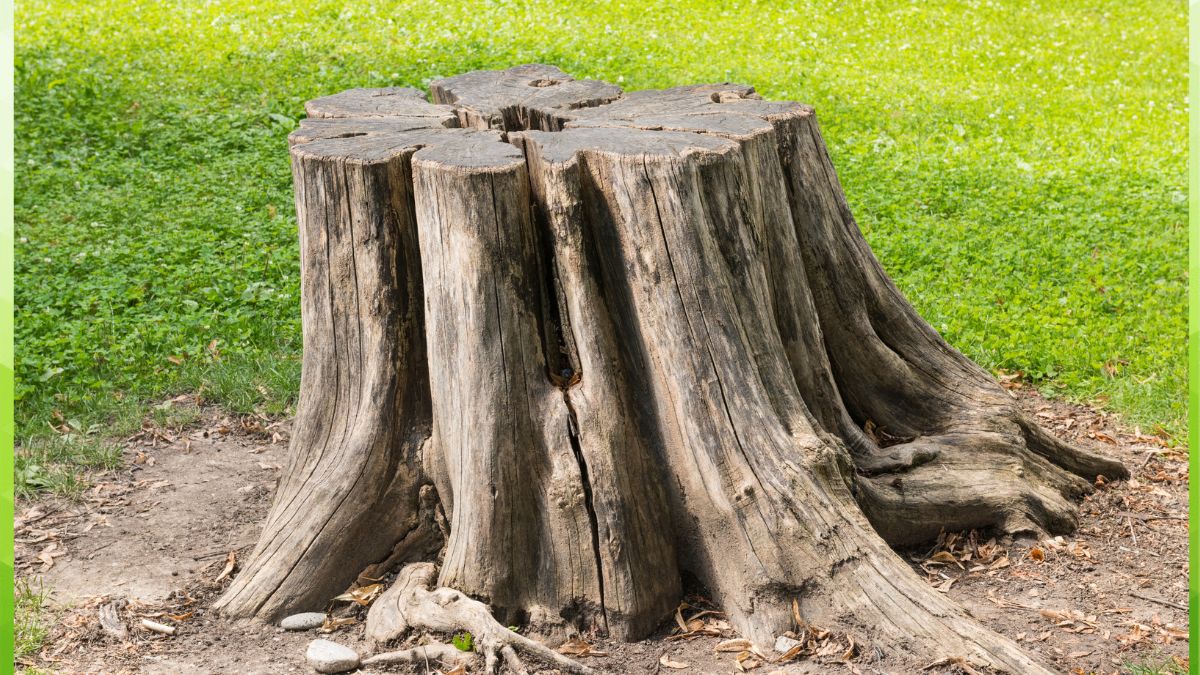
Removing a tree stump can make a garden look nicer and create more usable space for planting, landscaping, and lawn maintenance. That being said, stumps aren’t easy to remove because their roots may run deep into the soil and spread beneath nearby plants or structures. The best removal method depends on the stump’s size, the surrounding area, and how you plan to use the space afterward.
Before starting a project like this, consider whether you have the equipment you need to complete the job safely and effectively. If you plan to transport a stump grinder yourself, make sure your vehicle or trailer can accommodate the machine’s weight and dimensions. Renting stump-grinding equipment can be a practical option for homeowners who want to remove a stump without paying for professional services. However, it’s important to understand how the machine works and how to use it safely before getting started.
Prepare the Area
Start by clearing away leaves, branches, rocks, and other debris around the stump. These materials can interfere with the removal process or become hazards when you’re using power equipment. If the tree was recently cut down, trim any remaining branches close to the ground to make the work area easier to access.
You should also check for underground utility lines before digging or grinding. Contact the appropriate utility locating service to identify buried electrical cables, water lines, gas pipes, and other services. This precaution helps prevent dangerous accidents and costly damage, not to mention major inconveniences.
Choose the Right Removal Method
There are several ways to remove a tree stump, and the right choice depends largely on its size and location. Some smaller stumps with shallow roots don’t necessarily need to be ground down. They can be removed with a shovel, pickaxe, and pruning saw.
For larger, more deeply rooted stumps, grinding is generally a better option. Grinders use rotating cutting wheels to break stumps into wood chips. Keep in mind, though, that some stumps require professional intervention rather than the DIY approach.
Use a Stump Grinder Safely
A stump grinder can remove a stump quickly, but it can also be dangerous to use. Read the manufacturer’s instructions before operating the machine, and wear the recommended protective equipment while you’re working. This typically includes safety glasses or a face shield, hearing protection, sturdy footwear, and other gear.
Keep children, pets, and bystanders well away from the work area. Stump grinders can sometimes sling out stones and wood fragments, so keep everyone at a safe distance while the machine is running. Never bypass safety guards, and don’t operate the machine if you’re not sure how to control it.
Grind Stumps Gradually
Position the machine according to its operating instructions, and begin cutting in controlled, gradual passes. Avoid forcing the cutting wheel through the wood, as this can make the machine harder to control and potentially damage it. Continue working gradually until the stump has been reduced to the depth needed for your landscaping plans. If you intend to plant grass or flowers in the area, you may need to grind the stump below ground level.
Clear Away the Wood Chips
Stump grinding usually leaves behind a mixture of wood chips and soil. Rake up the excess material and decide whether to reuse it as mulch or remove it from your garden. Wood chips can be useful around plants, but a deep layer of fresh chips may not be suitable for every planting area. If you plan to grow grass where the stump stood, remove most of the wood debris and replace it with topsoil. That creates a better foundation for new growth.
Restore Your Garden
Once the stump and excess debris are gone, you can prepare the soil for planting or get the area ready for a new landscaping feature or hardscape. Start by leveling the ground. Then, fill in the hole with soil. Water the area lightly to help the soil settle, and add more if necessary.
Enjoy a Cleaner Outdoor Space
Removing a tree stump takes planning, but the right method can make the job more manageable. Be sure to prepare the area properly, select the right equipment, follow safety precautions, and restore the soil afterward. Those measures can turn an awkward patch of ground into a more attractive and functional part of your garden.