Last Updated on June 26, 2026 by Kravelv Spiegel
As homeowners look for ways to improve energy efficiency and reduce monthly expenses, geothermal cooling systems have become an increasingly attractive option. Unlike traditional air conditioning systems that rely on outdoor air temperatures, geothermal technology uses the stable temperatures found beneath the earth’s surface to help cool homes more efficiently. This unique approach can lead to significant savings on utility bills while providing reliable indoor comfort.
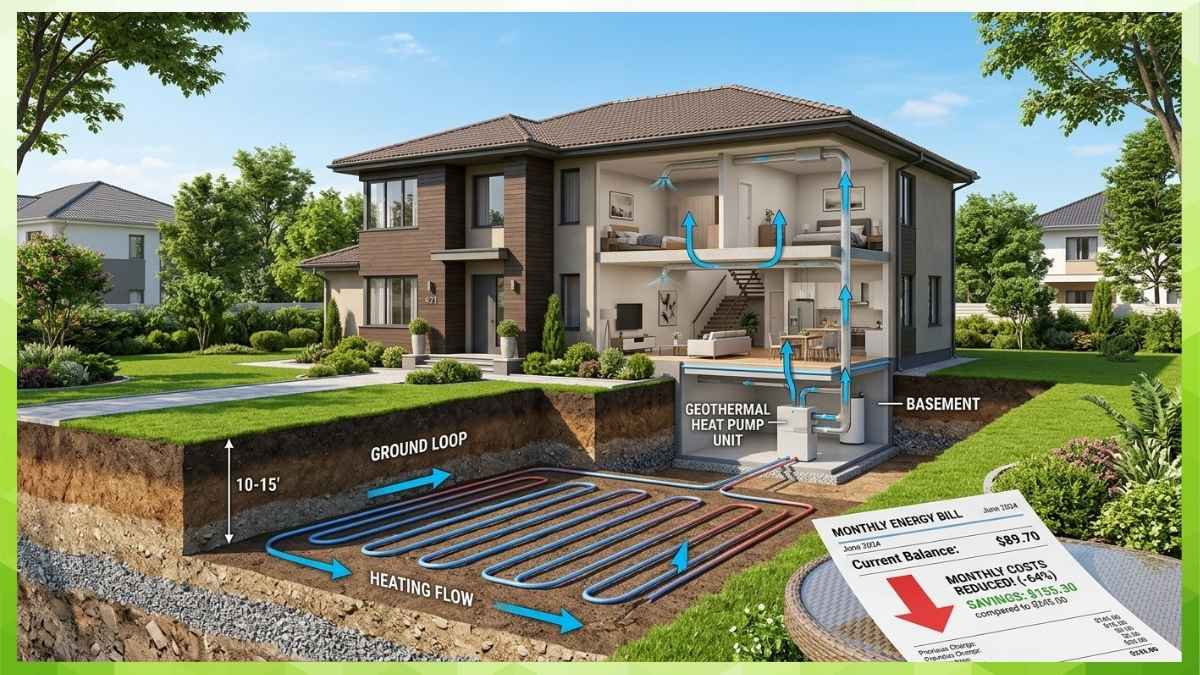
One of the primary reasons geothermal cooling systems can lower utility costs is their efficiency. During the cooling season, the system transfers heat from inside the home into the ground, where temperatures remain relatively consistent throughout the year. Because the earth is naturally cooler than the outdoor air during hot summer months, the system does not have to work as hard to remove heat from the home. This reduced workload often translates into lower energy consumption.
Traditional air conditioners can experience reduced efficiency during periods of extreme heat because they must compete against high outdoor temperatures. Geothermal systems avoid this challenge by using underground temperatures instead of outdoor air. As a result, homeowners may see more consistent performance and lower operating costs, even during the hottest days of summer.
Another factor that contributes to utility savings is the dual-purpose nature of geothermal systems. Many geothermal units provide both heating and cooling, allowing homeowners to rely on a single highly efficient system throughout the year. This can reduce overall energy usage compared to operating separate heating and cooling systems. Homeowners interested in long-term energy savings often explore geothermal technology as part of a comprehensive approach to home comfort.
Geothermal systems are also known for their durability. Because much of the system is located underground and protected from weather-related wear and tear, it can experience less stress than traditional outdoor HVAC equipment. Fewer breakdowns and lower maintenance requirements can help reduce ownership costs over time. While the initial installation investment may be higher than that of a conventional air conditioning system, many homeowners find that the long-term energy savings help offset those upfront expenses.
In addition to reducing energy costs, geothermal cooling systems can support environmental goals. Lower energy consumption means fewer resources are required to maintain comfortable indoor temperatures. This can be appealing to homeowners who want to improve efficiency while reducing their environmental impact.
Proper system design and installation play an important role in achieving the best results. Every property has unique characteristics that can influence geothermal performance, including lot size, soil conditions, and household comfort needs. Working with experienced professionals helps ensure the system is properly sized and installed for optimal efficiency.
Companies such as T&T Plumbing, Heating, Air Conditioning & Geothermal help homeowners explore whether geothermal technology is a suitable option for their property. By evaluating specific home requirements and discussing available solutions, homeowners can make informed decisions about energy-efficient cooling systems.
For those seeking a long-term way to reduce utility costs, geothermal cooling offers several advantages. From lower energy consumption and reliable performance to potential maintenance savings, geothermal technology can provide lasting value. With proper installation and regular care, a geothermal system can help homeowners enjoy comfortable indoor temperatures while keeping utility expenses under better control for years to come.