Last Updated on November 28, 2026 by Kravelv Spiegel
Key takeaways
Selecting the right commercial roofing contractor is essential. A strong reputation, appropriate licensing, and transparent communication about pricing and project details are critical elements to consider.
It’s beneficial to ask specific questions regarding timelines, warranties, and management strategies before entering a contract. This approach can foster alignment and minimize future misunderstandings.
Certifications highlight a contractor’s dedication to industry benchmarks and high-quality workmanship, making it important to verify these credentials with the organizations that issued them.
The demand for eco-friendly roofing solutions is on the rise, influenced by sustainable materials that boost energy efficiency and help businesses cut operational costs.
Innovative roofing materials, such as metal and TPO, demonstrate enhanced durability and longevity when compared to traditional asphalt shingles, addressing the performance requirements of today.
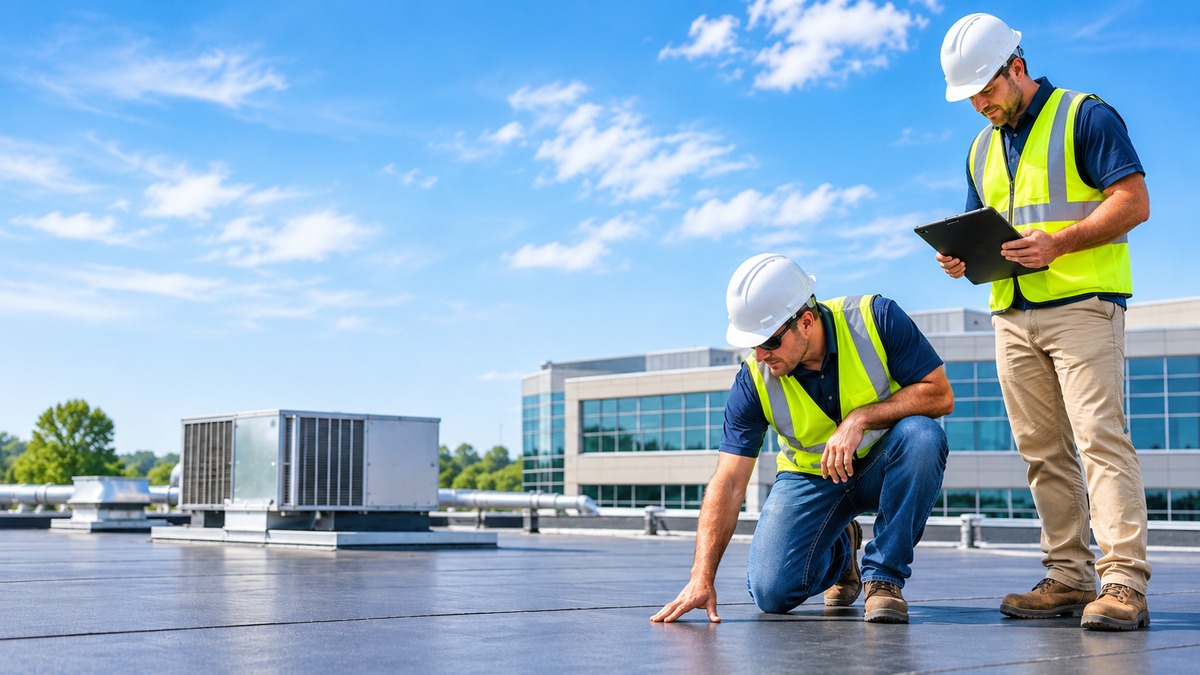
Regular inspections play a crucial role in maintaining a commercial roof. Experts recommend checking roofs twice a year to catch small problems before they develop into expensive repairs.
Indicators that a roof might require repairs include leaks during rainfall, curling or missing shingles, and the accumulation of granules in gutters, which should always prompt immediate action.
Choosing the Right Commercial Roofing Contractor: Insider Tips
Qualities to Look for in a Top Contractor
In the highly competitive field of commercial roofing services, the selection of the right contractor can significantly impact outcomes. With many contractors available, identifying the key qualities that distinguish the top performers is vital. A strong reputation is a must. Look for contractors providing evidence of past projects and happy clients. Testimonials that shine a light on their work can mark them as strong candidates.
Moreover, valid licensing and insurance are non-negotiable. This protects both the contractor and the client. An insured contractor limits client liability in case accidents occur. Being transparent regarding pricing is another major factor. If a contractor can clearly explain costs—even when faced with unexpected issues—it shows integrity.
- Experience: Years in business can often lead to invaluable expertise.
- Quality of Materials: Top contractors utilize premium materials built to last.
- Strong Communication Skills: A reliable contractor keeps clients in the loop throughout the process.
Questions to Ask Before Signing a Contract
It’s vital to ask the right questions before committing to any contractor. Don’t hold back—this ensures everyone’s on the same page. Start with queries about their expected project timeline. How long do they foresee the work lasting? Next, inquire about warranties, on both labor and materials. A substantial warranty usually indicates a contractor’s confidence in their capabilities.
Continuing down this path, delve into their project management strategy. Who will handle day-to-day operations? Lastly, seek to understand how they tackle unforeseen issues and changes during the project. A contractor who’s flexible can adjust without compromising quality.
- What’s the estimated timeline for the project?
- Can you clarify your warranty details?
- Who oversees the project on a daily basis?
- How do you handle unexpected challenges?
Understanding Certifications and Their Importance
Certifications can designate a contractor’s commitment to maintaining industry standards. They often reflect continuing education and engagement with up-to-date technologies and materials. Recognized certifications include CertainTeed Master Shingle Applicator, GAF Master Elite, and Owens Corning Preferred Contractor. Such credentials signify adherence to rigorous guidelines, ensuring enhanced workmanship.
It’s not merely about having certifications; practical experience is equally important. Experts recommend verifying these credentials directly with the issuing organizations. This due diligence guarantees authenticity and underscores the contractor’s dedication to excellence.
A certified contractor frequently provides a quality assurance that enhances project value.
Innovative Roofing Materials: What’s Trending in the Industry
The Rise of Eco-Friendly Roofing Solutions
The eco-friendly roofing solutions market has seen explosive growth. Increased awareness of climate change has raised demand for sustainable materials. Items like recycled shingles, solar tiles, and green roofs are emerging as not just trends; they signify a fundamental shift in how businesses think about building strategies.
Eco-friendly roofs provide an array of benefits, including energy efficiency. They serve as thermal insulators, lowering energy costs while positively impacting the environment. For example, living roofs filled with vegetation can absorb rainwater and reduce stormwater runoff. This means businesses contribute to a healthier planet, all while cutting operational costs.
- Recycled Materials: Involves using salvaged products.
- Solar Roofing: Integrates photovoltaic elements into conventional roofing.
- Green Roofs: Roofs covered in vegetation that enhance air quality and improve energy efficiency.
Comparing Traditional vs. Modern Materials
The debate between traditional and modern roofing materials continues. Traditional options like asphalt shingles have long captured the market due to their cost-effectiveness and reliability. Nevertheless, modern materials like metal, PVC, and TPO are increasingly gaining popularity.
Consider metal roofing. It promises outstanding longevity, often lasting up to 50 years with minimal upkeep. On the other hand, traditional asphalt shingles typically require replacement every 15 to 20 years. Each type has its unique advantages, but as technology progresses, modern materials are demonstrating greater efficiency and reliability.
- Asphalt Shingles: A tried-and-true option, but one that requires regular replacements.
- Metal Roofing: Durable and energy-efficient, growing in popularity.
- PVC and TPO: Excellent choices for flat roofs, known for superior waterproofing.
Durability: How New Materials Stand the Test of Time
When discussing roofing today, durability isn’t just a buzzword; it’s an expectation. New materials are designed with resilience in mind, frequently outperforming traditional choices in extreme weather. Advances in technology enable these materials to endure harsh temperatures, heavy snowfall, and relentless rain.
Take TPO roofing as a prime example. Research indicates its lifespan can reach up to 30 years with proper installation. This reflects a collective industry effort to provide products that meet the evolving demands of climate change. Gaining insights into the science behind these materials empowers clients to make informed decisions. Aesthetics matter, but practical longevity has become equally crucial.
Durability increasingly influences consumer choices, pushing manufacturers to innovate continuously.
The Roofing Installation Process: What to Expect
Step-by-Step Overview of a Professional Installation
The installation process can feel overwhelming. Yet, comprehending what it entails can ease property owners’ concerns. Typically, the journey kicks off with an initial consultation and a careful assessment of the existing roofing condition. After understanding specific needs, the contractor offers detailed plans. Once everyone is on the same page, preparations begin.
The actual installation comprises multiple stages: removing old roofing, addressing any underlying issues, and applying new materials. A reputable contractor commits to overseeing each step meticulously, ensuring a clean work environment while adhering to safety protocols.
- Initial consultation and roof assessment.
- Formal project proposal and timeline confirmation.
- Removal of existing roofing materials.
- Repairing any underlying damage.
- Installation of new roofing materials.
How to Prepare Your Property for Installation Day
Preparing can significantly streamline the installation process. To start, property owners should remove fragile items from the work area. This includes outdoor furniture, decorations, and planters. Additionally, ensuring clear access for contractors is crucial. Parking spaces need to be free of obstructions to allow easy material transport and minimize delays.
It’s also worth noting that notifying neighbors might seem minor but can truly help. Informing them about potential noise or disruptions fosters good relations and understanding during the roofing project.
Common Misconceptions About Roofing Projects
Numerous myths about roofing projects exist, and dispelling them can help clients feel more confident. A common belief is that all roofing materials are the same. In reality, there are significant variations in quality, price, and longevity. Additionally, some assume that roofing contractors can work regardless of weather conditions. This is not accurate; reputable contractors will often wait for safer conditions to ensure the project meets quality standards.
Another misconception involves the speed of installation. Professionals underline that quality installation demands time to ensure thorough execution. Rushing through the process risks costly errors.
- Not all materials provide the same lifespan.
- Weather can delay installations; safety should be prioritized.
- Quality installations require time and attention to detail.
Maintaining Your Commercial Roof: Best Practices for Longevity
Routine Inspections: The Key to Early Detection
Consistent inspections form the foundation of a durable roof. Experts advise conducting these assessments at least twice annually, most effectively in spring and fall. Observations during these checkups can spot minor issues before they develop into significant repairs.
During an inspection, roofing professionals typically evaluate various components, including flashing, seams, and drainage systems. Catching small problems early can save considerable costs and greatly extend the roof’s longevity. Keeping a log of inspections is also a good idea; this documentation can be valuable in the future, particularly when dealing with warranty claims.
Tips for Seasonal Roof Maintenance
Seasonal care can remarkably enhance a roof’s lifespan. Experts suggest varying maintenance strategies according to the time of year. In fall, clearing leaves and debris from gutters and valleys prevents water buildup and leaks. Winter maintenance should include snow removal to stop ice dams, which can severely damage roofing materials.
Spring is the perfect opportunity to check for any damage incurred during the winter. Inspect for missing shingles or cracks in flashing. In summer, it’s important to look for wear caused by heat—this timely check can prevent future headaches.
- Fall: Remove leaves and debris.
- Winter: Clear snow to avoid ice dams.
- Spring: Examine for winter damages.
- Summer: Check for heat-related wear.
Signs That Indicate It’s Time for Repairs
Several warning signs can suggest that a roof needs repairs. Leaks during rainfall are perhaps the most blatant indicator. Dark patches on ceilings or walls may signal water penetration, calling for immediate attention. Additionally, curling or missing shingles can indicate significant wear and potential failure that warrants prompt action.
Noticing granules accumulating in gutters can point to shingle deterioration. If shingles begin shedding granules, that often suggests a replacement is on the horizon. Quick assessments and decisive actions can keep roofs functional and prolong their lifespan.
- Leakage during rainfall.
- Curling or missing shingles.
- Accumulation of granules in gutters.
FAQ
Hiring a certified roofing contractor offers reassurance. Certification reflects their commitment to industry standards and best practices. Clients frequently find that certified contractors provide superior expertise and quality assurance throughout their projects.
To identify the most suitable roofing material, businesses should evaluate their specific circumstances, such as budget, climate, and building architecture. Consulting with experts can yield valuable insights into material durability, energy efficiency, and aesthetic considerations tailored to each project.
Absolutely, many businesses may receive financial benefits from selecting eco-friendly roofing solutions. Local governments often offer tax credits or rebates for using sustainable materials, and energy-efficient roofs can lead to reduced utility bills. This approach benefits both the environment and the financial bottom line.
Lifespan can vary dramatically among different materials. Asphalt shingles usually last 15-20 years, while metal roofing can reach up to 50 years. TPO and PVC roofing may last around 30 years if installed correctly. Understanding these differences helps clients make educated choices.
Weather plays a significant role in shaping installation timelines. Severe conditions such as heavy rain, snow, or high winds may delay work since safety is paramount. Clients should be prepared for possible delays during adverse weather, though experienced contractors will clearly communicate these situations.
Warranties hold immense importance in commercial roofing, acting as a safety net for clients. They offer reassurance regarding material and workmanship quality. A strong warranty can also cover repairs or replacements if problems arise, contributing to long-term peace of mind.
Most experts recommend that roof inspections occur at least twice a year. This proactive approach allows businesses to identify minor issues before they evolve into costly repairs, thereby prolonging the roof’s life and ensuring smooth operations.
Addressing unexpected challenges entails effective communication and adaptability. Reputable contractors typically have contingency plans ready, facilitating rapid adjustments to timelines and budgets while maintaining project quality. Clients should feel assured by a contractor’s capacity to adapt as required.