Last Updated on June 10, 2026 by Kravelv Spiegel
Hot water is an essential part of daily life, supporting everything from showers and laundry to cooking and cleaning. However, heating water accounts for a significant portion of household energy consumption. Many homeowners are unaware that outdated equipment, poor insulation, and inefficient usage habits may be increasing monthly utility bills. Investing in smarter hot water solutions can improve energy efficiency, lower operating costs, and enhance overall home comfort without sacrificing convenience.
One of the most effective ways to improve efficiency is through professional water heater installation. Modern water heating systems are built to consume less energy while delivering reliable performance. Whether replacing an aging unit or upgrading to newer technology, choosing the right system can help reduce utility expenses, improve hot water availability, and support long-term household savings. Proper installation also ensures optimal performance and equipment longevity.
Why Older Water Heaters Increase Energy Costs
Traditional water heaters gradually lose efficiency as they age. Sediment buildup, worn components, and declining insulation can force systems to work harder to heat water.
Common Problems With Aging Water Heaters
Older units often require more energy to maintain desired temperatures. Mineral deposits inside the tank can reduce heating efficiency, while deteriorating parts may increase operating costs. Homeowners may notice higher utility bills, inconsistent water temperatures, or longer recovery times between uses.
As efficiency declines, replacement often becomes more cost-effective than ongoing repairs.
High-Efficiency Water Heaters Offer Long-Term Savings
Modern water heating systems are designed to maximize performance while minimizing energy consumption. New technologies allow homeowners to enjoy reliable hot water without excessive utility expenses.
Features of Energy-Efficient Systems
Many modern models include advanced insulation, improved burners, heat pump technology, and smart controls that reduce wasted energy. These improvements help maintain steady water temperatures while lowering monthly operating costs.
For homeowners planning water heater installation, selecting an ENERGY STAR certified model can provide measurable savings over the lifespan of the equipment. Professional guidance can help determine which system best matches household demand and efficiency goals.
Tankless Water Heaters Continue to Gain Popularity
Tankless systems heat water only when needed, eliminating the standby energy losses associated with traditional storage tanks.
How Tankless Technology Works
Instead of storing heated water, tankless units activate when a faucet or appliance requires hot water. This approach reduces unnecessary energy consumption while providing continuous hot water for many households.
Advantages of Tankless Water Heating:
- Lower energy consumption
- Endless hot water supply
- Compact design
- Longer equipment lifespan
- Reduced standby heat loss
- Improved efficiency during daily use
These benefits make tankless systems attractive for energy-conscious homeowners.
Proper System Sizing Improves Efficiency
Selecting the correct water heater size is critical for balancing comfort and operating costs. Systems that are too small may struggle to meet demand, while oversized units often waste energy.
Why Capacity Matters
Professional evaluations consider household size, daily water usage, appliance demand, and peak usage periods. Proper sizing helps reduce energy waste while ensuring consistent performance throughout the home.
An accurately sized system supports efficient operation and helps prevent unnecessary wear on heating components.
Smart Technology Helps Reduce Energy Waste
Technology continues to transform home energy management, including water heating systems.
Modern Smart Water Heater Features
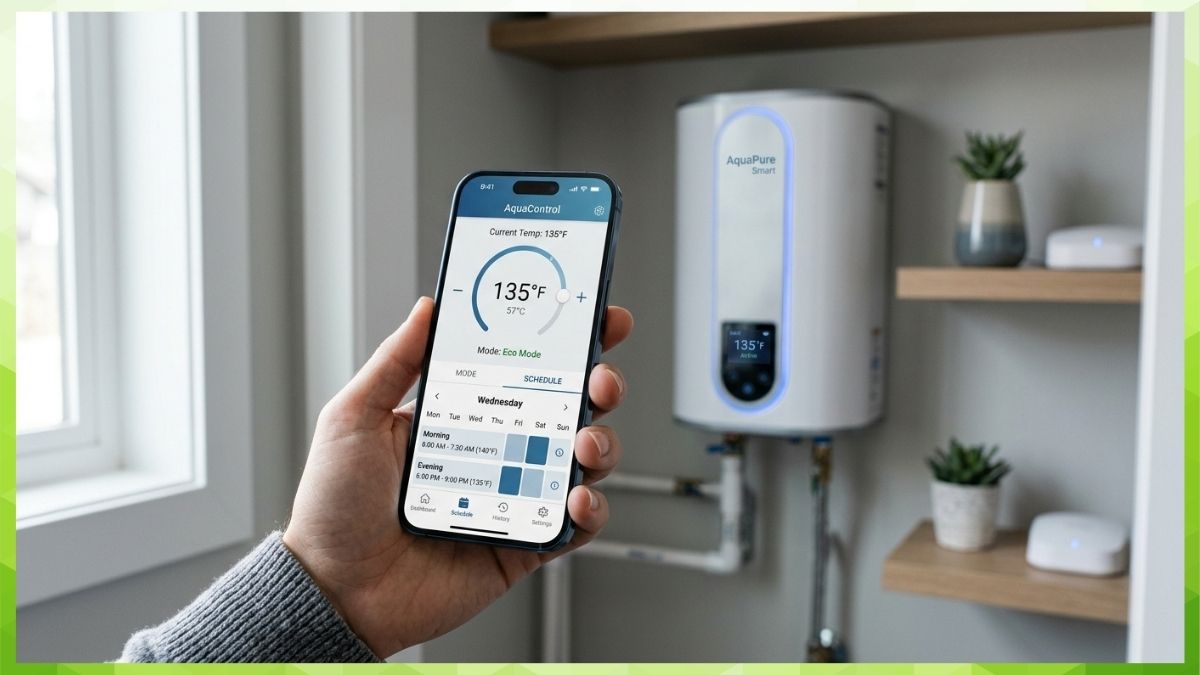
Many newer systems offer programmable schedules, remote monitoring, leak alerts, and energy usage tracking. These tools allow homeowners to manage consumption more effectively while reducing unnecessary heating during periods of low demand.
Smart controls can also help identify maintenance needs before efficiency declines significantly.
Energy-Saving Hot Water Habits:
- Lower water heater temperature settings
- Repair plumbing leaks promptly
- Use low-flow fixtures
- Run full dishwasher loads
- Wash clothes with cold water when possible
- Schedule routine maintenance
Combining efficient equipment with smart habits often delivers the greatest savings.
Insulation Plays an Important Role
Even highly efficient water heaters can lose performance if heat escapes through pipes or storage tanks.
How Insulation Supports Efficiency
Insulating hot water pipes helps reduce heat loss as water travels through the home. Tank insulation blankets can also improve performance for certain older systems.
Reducing heat loss means the system spends less energy maintaining desired temperatures, resulting in lower utility bills over time.
Regular Maintenance Preserves Performance
Routine maintenance is essential for keeping water heating systems operating efficiently throughout their lifespan.
Important Maintenance Tasks
Annual inspections, tank flushing, anode rod evaluations, and thermostat checks can improve performance and prevent efficiency losses. Maintenance also helps identify developing issues before they become expensive repairs.
Professional service visits often extend equipment lifespan while supporting consistent hot water delivery and energy savings.
Water Heating and Whole-Home Efficiency
Hot water efficiency works best when combined with broader energy-saving improvements throughout the home.
Supporting Systems That Improve Savings
High-efficiency HVAC equipment, proper insulation, weather sealing, and water-saving fixtures all contribute to lower utility expenses. Together, these improvements create a more energy-efficient living environment while enhancing overall comfort.
Features That Improve Overall Efficiency:
- ENERGY STAR water heaters
- Smart thermostatic controls
- Insulated hot water pipes
- High-efficiency plumbing fixtures
- Leak detection systems
- Routine professional maintenance
Integrated efficiency strategies help maximize long-term savings.
Professional Installation Delivers Better Results
Even the most efficient equipment may underperform if installed incorrectly. Professional installation ensures proper sizing, ventilation, safety compliance, and manufacturer-recommended setup procedures.
Why Expert Installation Matters
Qualified technicians evaluate household needs, optimize system placement, and verify safe operation. Proper installation reduces future repair risks while helping homeowners achieve expected efficiency levels and utility savings.
Working with experienced professionals provides confidence that the system will perform as intended from the first day of operation.
To Conclude
Smart hot water solutions can significantly reduce monthly energy costs while improving comfort and convenience throughout the home. Upgrading to efficient equipment, selecting the right system size, using smart technology, and scheduling regular maintenance all contribute to lower utility bills and better performance. Modern water heater installation options, including tankless and high-efficiency models, provide valuable long-term savings. By combining energy-efficient equipment with responsible usage habits, homeowners can enjoy dependable hot water while reducing waste and improving overall household efficiency.