
Last Updated on April 28, 2026 by Kravelv Spiegel
California does not allow condominium associations to self-certify the safety of their balconies. That might sound obvious, but a remarkable number of HOA boards have operated under the assumption that a handyman’s visual check or a property manager’s walkthrough would suffice. SB 326 dismantles that assumption entirely. The law requires a licensed architect or structural engineer — nobody else — to conduct a formal evaluation that includes physically opening up portions of the building to examine what is hidden inside the walls.
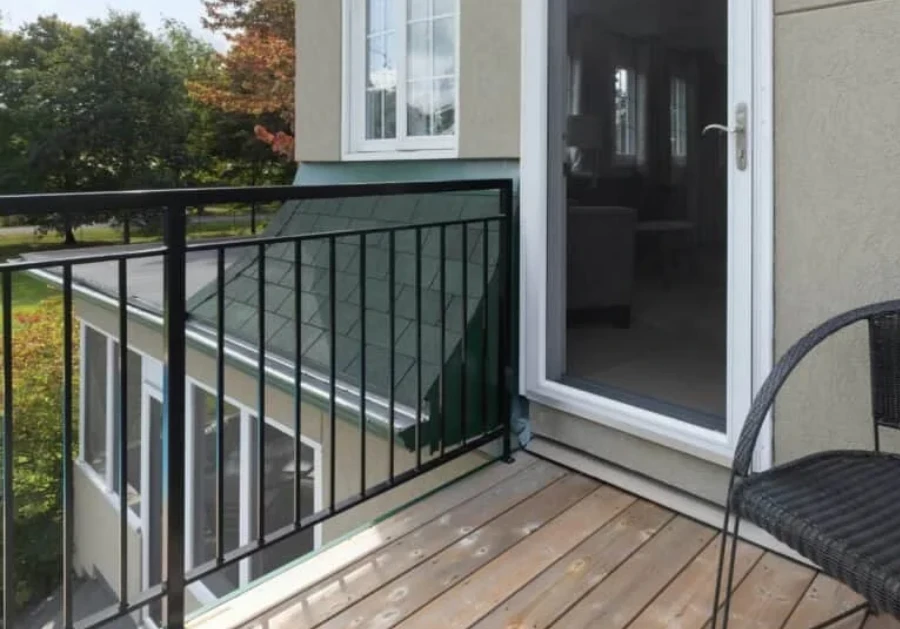
The mandate exists because hidden structural failure kills people. In 2015, a balcony in Berkeley collapsed under the weight of its occupants after years of undetected wood decay. Six fatalities, seven critical injuries, and a complete failure of the informal inspection practices that had been the norm across California’s multifamily housing stock. AbdInspections https://abdinspections.com/sb-326-inspection/ has been walking Sacramento condominium boards through this exact compliance process ever since, performing engineer-coordinated assessments and handling structural repairs without bringing in outside contractors. The first mandated inspection cycle closed on January 1, 2025. Communities that missed it are now subject to civil fines of up to five hundred dollars per day — and that penalty barely scratches the surface of what noncompliance can ultimately cost a board.
Who Qualifies to Inspect Under SB 326
This is where many associations stumble. The inspector pool under SB 326 is deliberately narrow, and engaging the wrong professional invalidates the entire assessment.
Only two categories of professionals may sign an SB 326 compliance report:
- A licensed architect holding a current California license in good standing
- A licensed structural engineer or civil engineer with California credentials
General contractors — regardless of experience or specialization — do not qualify. Neither do municipal building inspectors, unless they also hold a qualifying license. This restriction ensures condominium inspections carry the same accountability as engineered structural designs. An association that pays for an assessment by an improperly licensed individual will need to start over.
The Two Mandatory Phases of Assessment
SB 326 prescribes a specific inspection protocol. Partial compliance — performing only a visual review, for instance — does not satisfy the statute.
Phase one is observational. The licensed professional surveys every exterior elevated element in the community: balconies, decks, porches, stairs, walkways, and railings above six feet with wood-based framing. Each structure is individually evaluated for surface distress indicators — membrane deterioration, drainage pooling, guardrail looseness, hardware corrosion visible from outside, and stucco cracking near structural attachment zones.
Phase two is interventional. The statute requires invasive testing on a random, statistically significant sample of each element type. The engineer cuts controlled openings in the cladding and introduces borescope cameras to document the condition of concealed framing members. Joists at their bearing points, ledger-to-wall anchors, flashing overlaps, and waterproofing continuity are the primary targets. The findings at this stage regularly contradict what the exterior suggested — a balcony that looked solid from the walkway may reveal extensive moisture damage and compromised hardware once the surface is peeled back. All penetrations are professionally restored after data collection.
The combined findings become a stamped compliance report filed with the HOA board and retained in association records.
What the Board Must Do After Receiving the Report
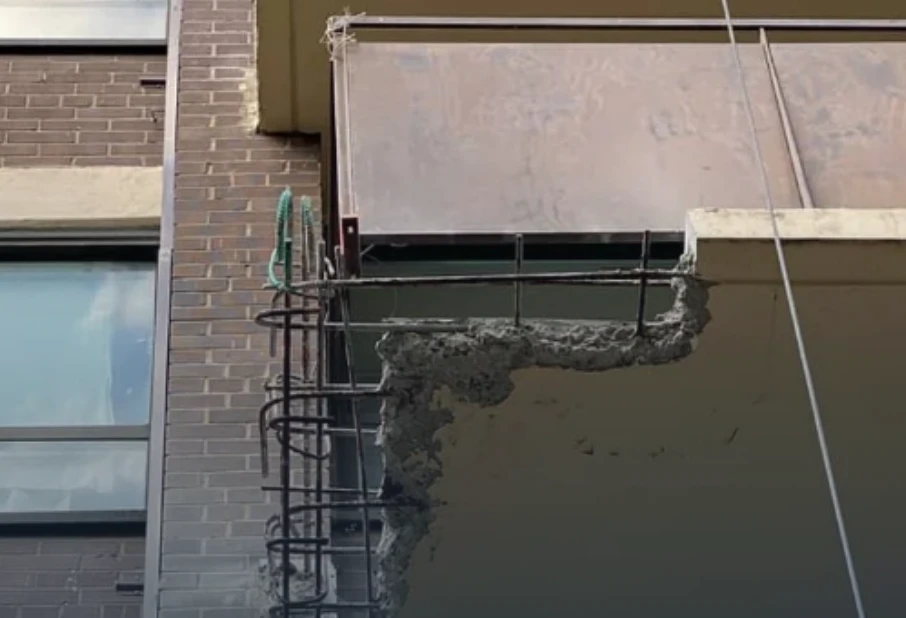
- Circulate the complete results — defect photographs, severity ratings, and repair recommendations — to every unit owner in the community without redaction or summarization
- Revise the reserve study to incorporate any recommended structural work that exceeds thirty percent of the remaining service life of affected elements
- Approve and fund corrective action from reserve accounts, ensuring adequate budgeting for both immediate and scheduled repairs
- Initiate emergency remediation within one hundred eighty days for conditions the engineer classifies as presenting direct risk to occupant safety
- Archive the full inspection and repair documentation for the duration of the nine-year compliance period
These are not optional best practices. They are statutory obligations enforceable through litigation by unit owners and regulatory action by the state.
AbdInspections: One Team From Evaluation to Warranty
The Sacramento firm provides engineer-coordinated inspections and in-house construction under a unified contract. Repair materials include Trex, TimberTech, Redwood lumber, and Westcoat waterproofing. Workmanship carries a warranty of up to five years. A superintendent with over a thousand completed property evaluations manages each project directly on site, maintaining continuity from the first borescope image to the final coat of sealant.
Consequences That Accumulate Quietly
Fines are the most visible risk, but not the most dangerous. Insurance carriers have started flagging noncompliant associations at renewal, leading to higher premiums or outright cancellation. Homeowners can — and increasingly do — file suit against boards that fail to meet their statutory maintenance obligations. If an accident occurs on an uninspected element, individual directors face personal liability with minimal legal cover. Get in touch with AbdInspections and start moving your community toward compliance before the exposure grows any wider.