
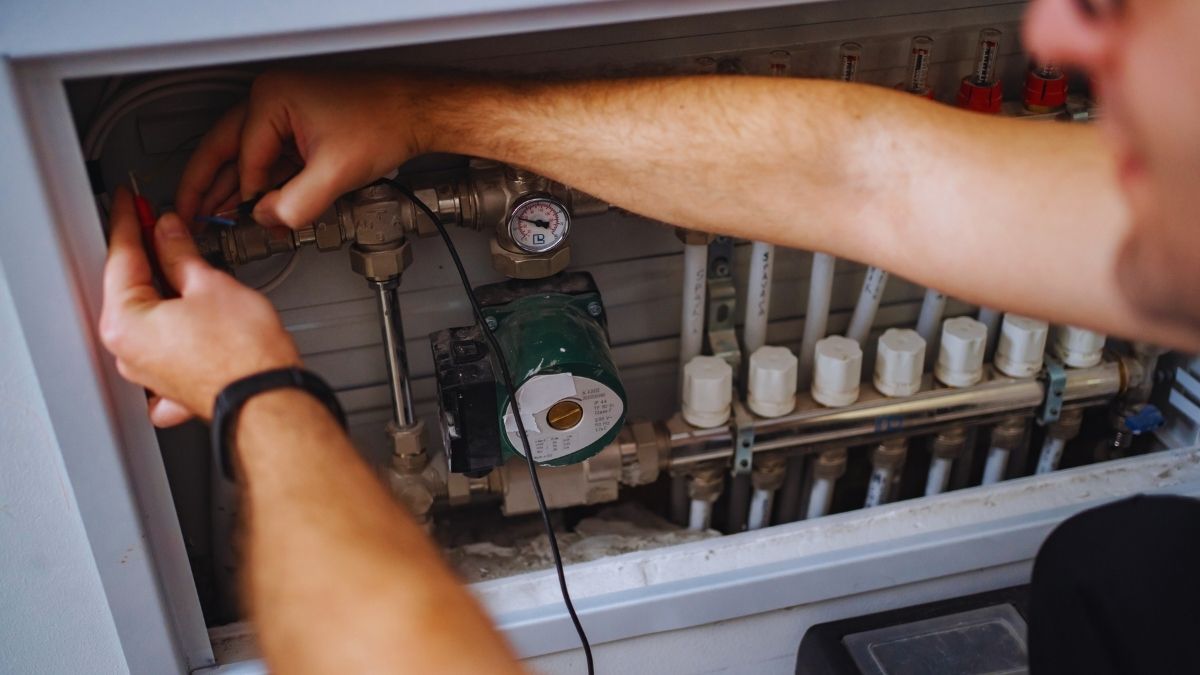
Last Updated on March 4, 2026 by Kravelv Spiegel
Heating systems rarely fail without warning. In most cases, problems build slowly over time. Small changes in sound, output, or reliability often appear weeks or even months before a complete breakdown. Recognising these signs early allows action before disruption occurs.
For commercial buildings, heating failure can affect comfort, productivity, and safety. Downtime can also lead to expensive emergency repairs. Knowing what to watch for is essential for anyone responsible for building operations.
Why Early Warning Signs Matter
Heating systems operate under constant pressure, especially during colder months. Wear and tear is unavoidable. However, many common commercial heating system failures begin as minor issues that are easy to overlook. When these early signs are ignored, the risk of sudden failure increases.
Understanding common commercial heating system failures helps decision-makers respond with confidence. Early awareness reduces stress on the system and avoids last-minute repairs. It also supports better planning and cost control.
Reduced Heating Output
One of the earliest signs of trouble is reduced warmth. If rooms take longer to heat or never reach the desired temperature, the system may be struggling. This issue often worsens during peak demand.
Reduced output is linked to several common commercial heating system failures. These common commercial heating system failures limit the system’s ability to deliver steady heat. A prompt check can prevent further decline.
Unusual Noises During Operation
Heating systems should run quietly. New or louder sounds are rarely harmless. Knocking, humming, or rattling often point to internal stress.
These noises tend to appear during start-up or shutdown. Over time, they may become more frequent. Any change in sound should be treated as a warning, not an inconvenience.
Frequent On and Off Cycling
A system that switches on and off too often is under strain. This behaviour suggests it cannot maintain stable operation. It also increases wear on parts.
Short cycling reduces efficiency and speeds up damage. If left unresolved, it often leads to full system failure during heavy use.
Rising Energy Costs Without Explanation
A sudden rise in energy bills is another key sign. When heating systems lose efficiency, they use more power to achieve the same result. This increase is gradual but noticeable.
If usage patterns have not changed, higher costs should trigger investigation. Early action can restore balance and reduce waste.
Inconsistent Temperatures Across the Building
Uneven heating is more than a comfort issue. Some rooms may feel warm, while others stay cold. This imbalance suggests the system is no longer distributing heat evenly.
Over time, these inconsistencies worsen. They often signal deeper performance problems that require professional attention.
Delayed Start-Up Times
Heating systems should respond quickly when switched on. A slow start or delayed response indicates declining performance. This delay often becomes longer as problems develop.
In commercial spaces, delayed heating can affect daily operations. Addressing this sign early prevents disruption during busy periods.
Visible Wear or Moisture Around the System
Visual checks are valuable. Signs such as corrosion, damp patches, or minor leaks point to internal stress. These issues often follow long-term strain.
Even small amounts of moisture can lead to larger failures if ignored. Regular inspections help catch these signs before damage spreads.
Poor Air Quality or Unusual Smells
Changes in air quality can also signal heating problems. Stale air or unfamiliar smells should never be ignored. They may indicate system imbalance or internal wear.
These signs often appear alongside other performance issues. Together, they suggest the system is nearing failure.
System Age and Repeated Minor Repairs
Older systems naturally face higher failure risk. When frequent minor repairs become routine, the system may be nearing the end of its service life.
At this stage, breakdowns become harder to predict. Planning ahead avoids emergency replacements and costly downtime.
Frequently Asked Questions
How early can heating system failure be detected?
Heating system failure can often be detected weeks or months in advance. Changes in performance, sound, or efficiency usually appear first. Regular monitoring helps identify issues before a complete breakdown occurs.
Are heating system failures always sudden?
Most failures are not sudden. They develop gradually as small problems worsen over time. Sudden breakdowns usually happen when early warning signs are ignored or left unresolved.
When should a professional inspection be arranged?
A professional inspection should be arranged as soon as performance changes are noticed. Early checks help confirm the cause and prevent further damage, especially during colder months when demand is highest.
Final Words
Heating systems communicate problems long before they stop working. Reduced output, strange noises, rising costs, and uneven temperatures all matter. Paying attention to these signs protects comfort and continuity. Early action saves money, reduces risk, and keeps commercial spaces running smoothly through every season.